

1984
Selling the Real
Pop Music on the Market

Things started to feel unreal in 1984. Or maybe the better word is hyperreal: An uncanny valley where intention and expression, surface and depth, image and substance went all topsy-turvy. Signifiers and signifieds were increasingly collapsed, representations of things conflated with the things themselves. As French sociologist Jean Baudrillard wrote just three years prior, the sense by 1984 was that “the simulacrum is never what hides the truth-it is truth that hides the fact that there is none. The simulacrum is true.” (A “simulacrum,” echoing the less academic term “simulation,” referring to a representation or imitation of a person or thing.)
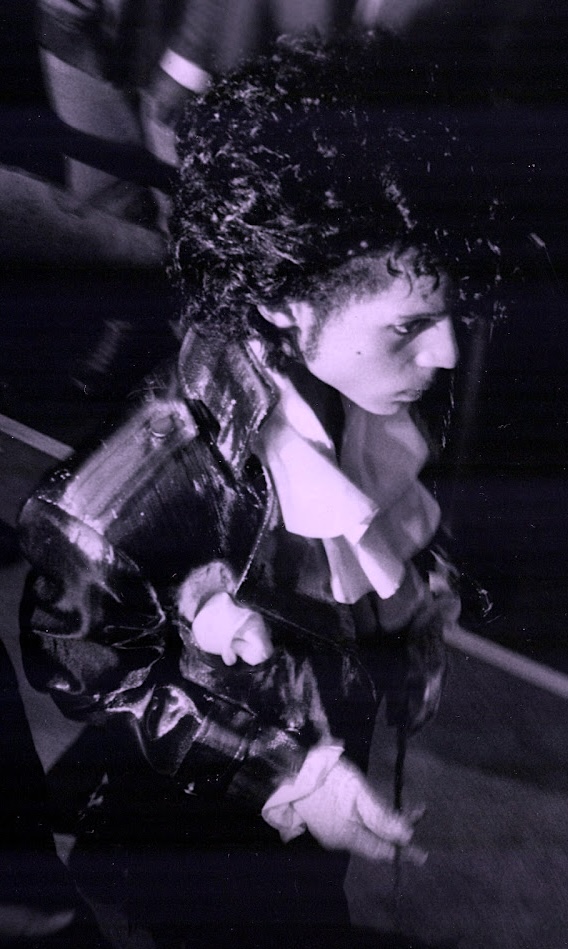
The era’s uneasy relationship with the real is all over the music of 1984. The only analog instrument on Debbie Deb’s electro workout “Lookout Weekend” is the human voice itself—often manipulated and processed—laid on a bed of drum machines and synthesizers. Lizzy Mercier Descloux’s “Mais Où Sont Passées Les Gazelles” is agnostic toward authenticity and cultural provenance, repurposing a South African disco banger into a genre-bending slice of new wave art pop. Fellow new wave and pop acts similarly steamrolled sincerity and history in music videos accompanying hit singles in the United States, heralding a new relationship between the visual and the audible in popular music—another venue for representation.
This had a lot to do with advances in technology, and not just the cable television bringing music to listening audiences paired with video. Think of how, in 1976 already, King Tubby was remixing recordings as his primary means of artistic expression. By 1984, recordings were the primary place where music existed. Some recordings were made up of highly manipulated sounds, nearly impossible to reproduce live with analog instruments; others were composed with a level of perfection fundamentally unattainable live, composed ofpieces of digital information stitched together through painstaking studio engineering.
But of course technology is intertwined with the society that produces it. And the technology taking off in the 80s went hand-in-hand with America’s commitment to a new vision for itself. Ronald Reagan’s staggering victory in the 1984 presidential election, after years of nationwide political and economic ambivalence, conclusively set America on a path that understood “freedom” and “market” as synonymous, reshaping American society and its culture as a result.
The society produced by this new vision had its own uncomfortable relationship with the real. Productive industries were replaced with financialized ones; industrial labor replaced with professional and managerial roles. A looser approach to credit across American society allowed politicians to avoid hard questions around allocating limited resources by simply increasing the size of the pie through debt financing. And the increasingly globalized market gave transnational corporations power agnostic to their relationship to a given community, culture, or country.
In that environment, the depthlessness of hyperreal cultural expression was a feature, not a bug. Record labels of the time sought what they called “international repertoire”: Music that could be separated from the context that gave it meaning in order to be sold all over the globe. Music that’s easy to translate because there’s no intention, depth, or substance beyond a simple statement: “This was made to be sold to you.”
Aura
King Sunny Adé and His African Beats
Jùjú
🇳🇬
Listen
here.You May Also Like:
- Another tradition meeting cutting-edge 80s technology: Charanjit Singh Ten Ragas to a Disco Beat
- Nigerian export in the 2010s: Davido A Good Time
- American fusion: Talking Heads Remain in Light
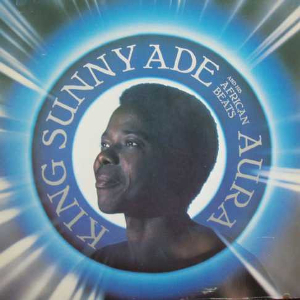
In need of an act to fill Bob Marley’s sizable shoes, Island Records tried to turn Yoruba Nigerian jùjú star King Sunny Adé into international repertoire in the early 80s. After two moderately successful albums and a Grammy nomination, hopes were high for his third major label release. 1984’s Aura would prove an astounding effort—startlingly original yet approachable, in dialogue with American popular music yet steeped in jùjú tradition—and a complete commercial failure. The story of the global market and its relationship with the real had a lot to do with that outcome.
The global market was not new to Yoruba society or its culture. The Yoruba were long organized around internal and external trade; in fact, trade was one of the ways status was accumulated within the hierarchical Yoruba society, a hierarchy established and affirmed in part through the performance of oríkì. Translated to English as “praise poetry,” oríkì is something like dramatized oral history: It venerates a subject by placing them favorably in their social, familial, or historical context. Powerful Yoruba leaders would be venerated by oríkì that demonstrated and affirmed their leadership role in the community. And as Yoruba entanglements with the global market changed—first under the Atlantic Slave Trade, then British colonial rule, and finally the global oil market—so did the shape and role of oríkì.
It’s that last one that brings us back to King Sunny Adé. Because the oil booms of the 1970s brought with them an explosion in conspicuous consumption across Yorubaland (and Nigeria writ large) that gave oríkì its newest shape, in the form of jùjú music. Jùjú had its origins in 1930s Lagos, a hybrid of imported and local sounds. By the 1970s, artists like Adé would venerate the oil boom’s nouveau riche as a key part of the performance. Bandleaders organized their performances around praising the right people to maximize the amount of money subjects would “spray” them with in acknowledgment. This new approach to jùjú music was tremendously successful: Adé released over 40 albums in Nigeria in the 1960s and 70s, often selling over 200,000 copies apiece.
So King Sunny Adé’s music was already beholden to the global market, if indirectly, when Island Records signed him. (The move was also great business sense on the part of Adé; an oil crash severely cut back on the foreign money flowing into Nigeria in the 1980s, culminating in a military coup on New Year’s Eve 1984.) And he earned a reputation in Nigeria as an experimental, tech-forward musician, incorporating novel instruments like the pedal steel guitar and even the synthesizer on some of his earlier Nigerian releases. Between his market savvy and willingness to engage with technology used in contemporary American popular music, it’s plain what promise Island saw in Adé.
Aura’s music delivers on that promise. Album opener “Ase” layers spaced-out pedal steel, jittery guitars, and a Stevie Wonder harmonica solo to make something that plays like the Talking Heads in reverse: A West African artist incorporating American sounds and techniques to make his own vision of the future of music. (Talking Heads frontman David Byrne cited King Sunny Adé as an influence on their 1980 album Remain in Light.) Album closer “Iro” squares a drum machine’s mechanical beat with traditional jùjú percussion to make a robotic funk groove just a short hop away from the boogie catching on around the globe. Along the way, album highlight “Gboromiro” is a seven minute exercise in digital studio perfection, an impenetrable wall of percussion and guitar arranged like a jigsaw puzzle.
All of which is, frankly, kind of hard to sell in 1984. Unlike Bob Marley or fellow Yoruba Nigerian Fela Kuti, this doesn’t come off as protest music; it’s not providing a voice for the voiceless. It’s first and foremost popular music, dance music, music that—on its home turf in Nigeria—has made peace with the global market, the existing hierarchy, the status quo. It’s not that truth-to-power kind of real. But for popular music, it hasn’t quite untethered itself from its context. It wants to be sold to you, sure, but it wants you to buy it on its terms. For all Adé’s business savvy in Nigeria, the global market requires that music be more like crude oil, a depthless commodity to be refined and sold per the market’s whims. Oil that refines itself doesn’t power the machine.

The Songs
The Songs
Aleem
Release Yourself
Included on
Release Yourself
Genre:
Electro, R&B
🇺🇸
Listen to
Release Yourself
Barrington Levy
Murderer
Included on
Murderer
Genre:
Reggae, Dancehall
🇯🇲
Listen to
Murderer
Bathory
Hades

Belfegore
All That I Wanted
Included on
Belfegore
Genre:
Post-Punk, Gothic
🇩🇪
Listen to
All That I Wanted
Bhundu Boys
Wenhamo Haaneti
Included on
Hupenyu Hwepasi
Genre:
Jit, Chimurenga
🇿🇼
Listen to
Wenhamo Haaneti
The Blue Nile
Tinseltown in the Rain
Included on
A Walk Across Rooftops
Genre:
Synth Pop, Sophisti-Pop
🏴
Listen to
Tinseltown in the Rain
Bronski Beat
Smalltown Boy
Included on
The Age of Consent
Genre:
Synth Pop
🇬🇧
Listen to
Smalltown Boy
Bruce Springsteen
I'm Goin' Down
Included on
Born in the U.S.A.
Genre:
Rock, Pop
🇺🇸
Listen to
I'm Goin' Down
Carlinhos Santos
Giramundo
Included on
Todas As Águas
Genre:
Electronic, Fusion
🇧🇷
Listen to
Giramundo
The Cars
You Might Think
Included on
Heartbeat City
Genre:
New Wave, Pop
🇺🇸
Listen to
You Might Think
Carte De Séjour
Bleu de Marseille
Included on
Rhorhomanie
Genre:
New Wave, Rai
🇫🇷
Listen to
Bleu de Marseille"[A] good depiction of what Fanon may have called 'the spell from afar' . . . the enchantment and the allure of the metropole - the there across the sea drawing you closer yet always keeping you at a distance."
—
Omar Shanti
//
Status/الوضع
Chaka Khan
I Feel for You
Included on
I Feel for You
Genre:
R&B, Funk
🇺🇸
Listen to
I Feel for You
Change
Change of Heart
Included on
Change of Heart
Genre:
R&B, Boogie
🇮🇹
Listen to
Change of Heart
Charly García
Demoliendo Hoteles
Included on
Piano Bar
Genre:
New Wave, Pop
🇪🇸
Listen to
Demoliendo Hoteles
Chico Buarque
Vai Passar
Included on
Chico Buarque
Genre:
MPB
🇧🇷
Listen to
Vai Passar
The Chills
Pink Frost
Included on
Pink Frost / Purple Girl
Genre:
Indie Rock, Post-Punk
🇳🇿
Listen to
Pink Frost
Chuck Brown and The Soul Searchers
We Need Some Money (Bout Money)
Included on
We Need Some Money
Genre:
R&B, Go-Go
🇺🇸
Listen to
We Need Some Money (Bout Money)
Cocteau Twins
Lorelei
Included on
Treasure
Genre:
Dream Pop
🏴
Listen to
Lorelei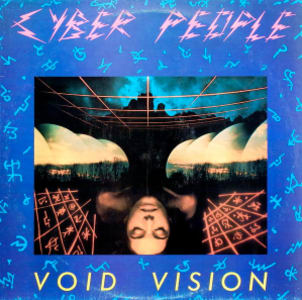
Cyber People
Void Vision (Slow Version)
Included on
Void Vision
Genre:
Electronic, Italodisco
🇮🇹
Listen to
Void Vision (Slow Version)
David Kauffman and Eric Caboor
Kiss Another Day Goodbye
Included on
Songs from Suicide Bridge
Genre:
Singer/Songwriter, Folk
🇺🇸
Listen to
Kiss Another Day Goodbye"[A] slow drift of a song, aimless and desperate and sad. It captures precisely the moment when the California dream turns, and the land looks lonely and parched."
—
Laura Barton
//
The Guardian
Dead Can Dance
Ocean
Included on
Dead Can Dance
Genre:
Post-Punk, Gothic
🇦🇺
Listen to
Ocean
Debbie Deb
Lookout Weekend
Included on
Lookout Weekend
Genre:
Electro
🇺🇸
Listen to
Lookout Weekend
Depeche Mode
People Are People
Included on
Some Great Reward
Genre:
Synth Pop
🇬🇧
Listen to
People Are People
Dionísio Maio
Dia Ja Manche
Included on
Dionísio Maio
Genre:
Funaná
🇨🇻
Listen to
Dia Ja Manche
Don Laka
I Wanna Be Myself
Included on
I Wanna Be Myself
Genre:
R&B, Boogie
🇿🇦
Listen to
I Wanna Be Myself
East-West
Can't Face the Night
Included on
Can't Face the Night
Genre:
Disco, Fusion
🇬🇧
Listen to
Can't Face the Night
Echo and The Bunnymen
The Killing Moon
Included on
Ocean Rain
Genre:
Post-Punk, Gothic
🇬🇧
Listen to
The Killing Moon
Fabrizio de André
A Dumenega
Included on
Creuza De Mä
Genre:
Canzone d'autore, Folk
🇮🇹
Listen to
A Dumenega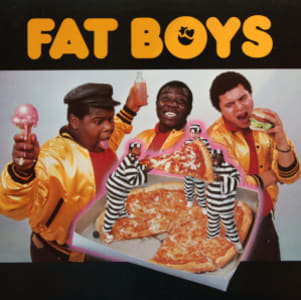
Fat Boys
Jail House Rap
Included on
Fat Boys
Genre:
Rap, New School
🇺🇸
Listen to
Jail House Rap
Felt
Sunlight Bathed the Golden Glow
Included on
The Strange Idols Pattern And Other Short Stories
Genre:
Jangle Pop
🇬🇧
Listen to
Sunlight Bathed the Golden Glow
Frankie Paul
Pass the Tu Sheng Peng
Included on
Pass the Tu Sheng Peng
Genre:
Reggae, Dancehall
🇯🇲
Listen to
Pass the Tu Sheng Peng
General Public
Tenderness
Included on
...All The Rage
Genre:
New Wave, Pop
🇬🇧
Listen to
Tenderness"[A]n effervescent piece of sunshine that stands as a great single of its time."
—
Stephen Thomas Erlewine
//
AllMusic
George Michael
Careless Whisper
Included on
Careless Whisper
Genre:
Pop, Soul
🇬🇧
Listen to
Careless Whisper
Hugh Masekela
Don't Go Lose It Baby
Included on
Techno-Bush
Genre:
Electronic, Funk
🇿🇦
Listen to
Don't Go Lose It Baby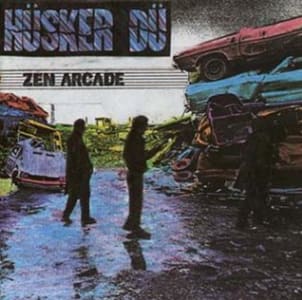
Hüsker Dü
Chartered Trips
Included on
Zen Arcade
Genre:
Post-Hardcore, Alternative Rock
🇺🇸
Listen to
Chartered Trips
Ismaël Lô
Talibe
Included on
Xalat
Genre:
Mbalax
🇸🇳
Listen to
Talibe
Iván
Fotonovela
Included on
Fotonovela (Chapter I) / Cena fría
Genre:
Synth Pop, Europop
🇪🇸
Listen to
Fotonovela
Jesse Saunders
On and On
Included on
On and On
Genre:
House
🇺🇸
Listen to
On and On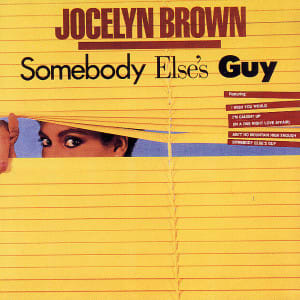
Jocelyn Brown
Somebody Else's Guy
Included on
Somebody Else's Guy
Genre:
R&B, Boogie
🇺🇸
Listen to
Somebody Else's Guy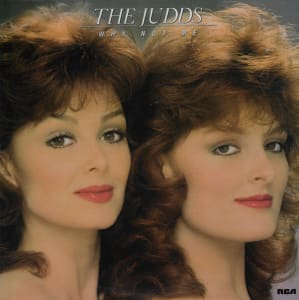
The Judds
Why Not Me
Included on
Why Not Me
Genre:
Country
🇺🇸
Listen to
Why Not Me
Kassav'
Yélélé
Included on
Yélélé
Genre:
Zouk
🇬🇵
Listen to
Yélélé
Killing Joke
Eighties
Included on
Eighties
Genre:
Post-Punk
🇬🇧
Listen to
Eighties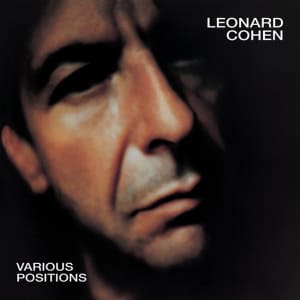
Leonard Cohen
Dance Me to the End of Love
Included on
Various Positions
Genre:
Singer/Songwriter, Sophisti-Pop
🇨🇦
Listen to
Dance Me to the End of Love
Les Rita Mitsouko
Marcia Baila
Included on
Les Rita Mitsouko
Genre:
New Wave, Synth Pop
🇫🇷
Listen to
Marcia Baila
Lizzy Mercier Descloux
Mais Où Sont Passées Les Gazelles
Included on
Lizzy Mercier Descloux
Genre:
New Wave, Art Pop
🇫🇷
Listen to
Mais Où Sont Passées Les Gazelles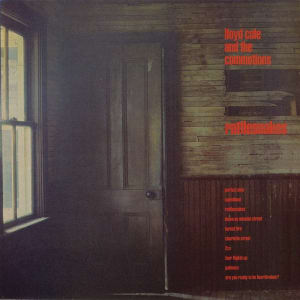
Lloyd Cole and the Commotions
Are You Ready to Be Heartbroken?
Included on
Rattlesnakes
Genre:
Jangle Pop
🏴
Listen to
Are You Ready to Be Heartbroken?
Los Prisioneros
Brigada de Negro
Included on
La Voz De Los '80
Genre:
New Wave, Punk
🇨🇱
Listen to
Brigada de Negro
Madonna
Material Girl
Included on
Like a Virgin
Genre:
Pop
🇺🇸
Listen to
Material Girl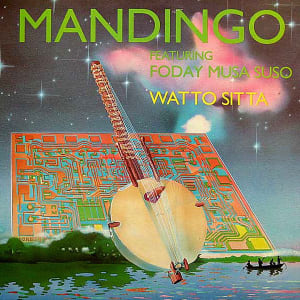
Mandingo feat. Foday Musa Suso
Kensala
Included on
Watto Sitta
Genre:
Mande Music, Fusion
🇬🇲
Listen to
Kensala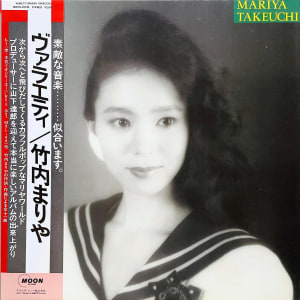
Mariya Takeuchi
Plastic Love
Included on
Variety
Genre:
City Pop
🇯🇵
Listen to
Plastic Love
Meat Puppets
Lake of Fire
Included on
Meat Puppets II
Genre:
Cowpunk, Alternative Rock
🇺🇸
Listen to
Lake of Fire
Metallica
For Whom the Bell Tolls
Included on
Ride the Lightning
Genre:
Metal, Thrash Metal
🇺🇸
Listen to
For Whom the Bell Tolls
Metro Decay
Mavros Kyknos
Included on
Υπέρβαση
Genre:
Post-Punk, Gothic
🇬🇷
Listen to
Mavros Kyknos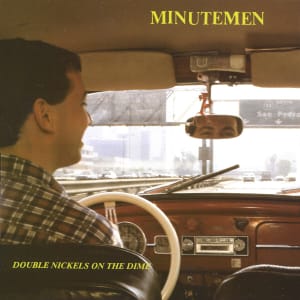
Minutemen
This Ain't No Picnic
Included on
Double Nickles on the Dime
Genre:
Post-Hardcore, Alternative Rock
🇺🇸
Listen to
This Ain't No Picnic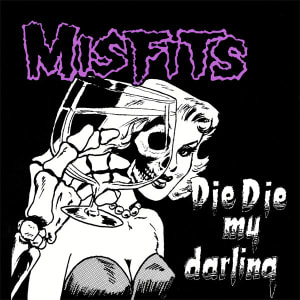
Misfits
Die Die My Darling
Included on
Die Die My Darling
Genre:
Punk, Hardcore Punk
🇺🇸
Listen to
Die Die My Darling
Orange Juice
What Presence?!
Included on
The Orange Juice
Genre:
New Wave, Art Pop
🏴
Listen to
What Presence?!
Os Paralamas do Sucesso
Meu Erro
Included on
O Passo do Lui
Genre:
New Wave, Ska
🇧🇷
Listen to
Meu Erro
Pale Cocoon
Flalorm
Included on
繭
Genre:
Electronic, Minimal Wave
🇯🇵
Listen to
Flalorm
Pankrti
Bandiera Rossa
Included on
Rdeči Album
Genre:
Punk
🇸🇮
Listen to
Bandiera Rossa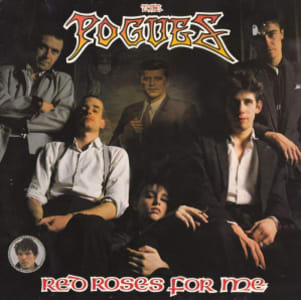
The Pogues
Streams of Whiskey
Included on
Red Roses for Me
Genre:
Punk, Celtic Music
🇮🇪
Listen to
Streams of Whiskey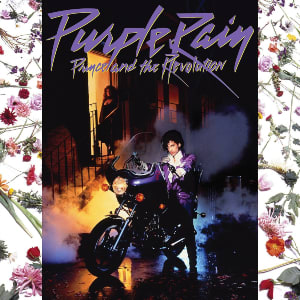
Prince and The Revolution
I Would Die 4 U
Included on
Purple Rain
Genre:
R&B, Pop
🇺🇸
Listen to
I Would Die 4 U"[Prince] deftly inhabits not just the likeness of Jesus, but all of the Holy Trinity. Verse by verse, this canny transformation opens up a bold new path for Prince to share a message for the ages."
—
Nick DeRiso
//
Diffuser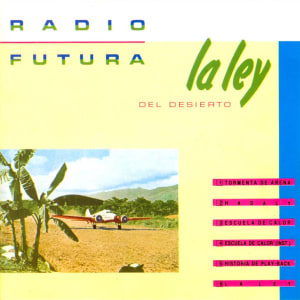
Radio Futura
Escuela de Calor
Included on
La Ley del Desierto, La Ley del Mar
Genre:
New Wave, Pop
🇪🇸
Listen to
Escuela de Calor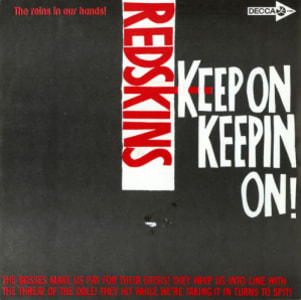
Redskins
Keep on Keeping on
Included on
Keep on Keeping on
Genre:
Punk, New Wave
🇬🇧
Listen to
Keep on Keeping on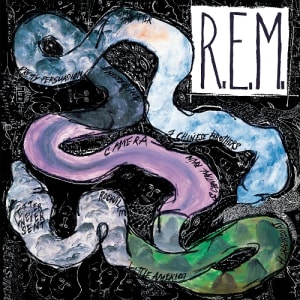
R.E.M.
So. Central Rain
Included on
Reckoning
Genre:
Jangle Pop
🇺🇸
Listen to
So. Central Rain
The Replacements
I Will Dare
Included on
Let It Be
Genre:
Alternative Rock
🇺🇸
Listen to
I Will Dare
Rickie Lee Jones
It Must Be Love
Included on
The Magazine
Genre:
Singer/Songwriter, Soft Rock
🇺🇸
Listen to
It Must Be Love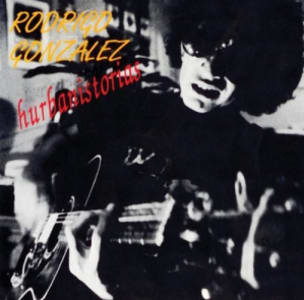
Rodrigo Gonzalez
Distante Instante
Included on
Hurbanistorias
Genre:
Singer/Songwriter, Folk
🇲🇽
Listen to
Distante Instante
Rubén Blades y Seis Del Solar
Decisiones
Included on
Buscando América
Genre:
Salsa
🇵🇦
Listen to
Decisiones"[A] biting, delightful portrait of everyday life [that] features three distinct stories, three moral dilemmas, and an unforgettable chorus, all driven by an infectious rhythm, social commentary, and intelligent humor."
—
Lorena Rojas Sarmiento
//
Señal Colombia
Run-DMC
Rock Box
Included on
Run-DMC
Genre:
Rap, New School
🇺🇸
Listen to
Rock Box
Sade
Smooth Operator
Included on
Diamond Life
Genre:
Soul, Sophisti-Pop
🇬🇧
Listen to
Smooth Operator
Sankomota
House on Fire
Included on
Sankomota
Genre:
Afrobeat, Fusion
🇱🇸
Listen to
House on Fire
Savage
Only You
Included on
Tonight
Genre:
Electronic, Italodisco
🇮🇹
Listen to
Only You
Scraping Foetus off the Wheel
Lust for Death
Included on
Hole
Genre:
Post-Punk, Industrial
🇦🇺
Listen to
Lust for Death
Scritti Politti
Absolute
Included on
Absolute
Genre:
Synth Pop, Sophisti-Pop
🇬🇧
Listen to
Absolute
Shadow
Let's Make It Up
Included on
Sweet Sweet Dreams
Genre:
Soca
🇹🇹
Listen to
Let's Make It Up
Sheila E.
The Glamorous Life
Included on
In The Glamorous Life
Genre:
R&B, Pop
🇺🇸
Listen to
The Glamorous Life
Sisters of Mercy
Walk Away
Included on
Walk Away / Poison Door
Genre:
Post-Punk, Gothic
🇬🇧
Listen to
Walk Away
The Smiths
How Soon Is Now
Included on
Hatful of Hollow
Genre:
Jangle Pop
🇬🇧
Listen to
How Soon Is Now"The unmistakable shimmer of How Soon Is Now’s tremolo effected opening chords, its transcendent, ‘Madchester’-predicting club groove and the Eagle-cry of its sliding lead riff are all fundamental reasons why this odd, experimental B-side became one of The Smiths’ most bewitching pieces of music."
—
Andy Price
//
Guitar.com
The Specials
Nelson Mandela
Included on
In the Studio
Genre:
Punk, 2 Tone Ska
🇬🇧
Listen to
Nelson Mandela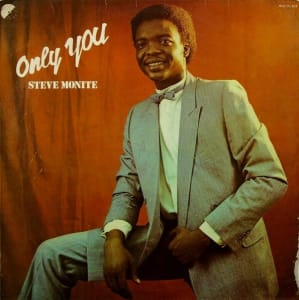
Steve Monite
Only You
Included on
Only You
Genre:
R&B, Boogie
🇳🇬
Listen to
Only You
Strafe
Set It Off (Vocal)
Included on
Set It Off
Genre:
Electro
🇺🇸
Listen to
Set It Off (Vocal)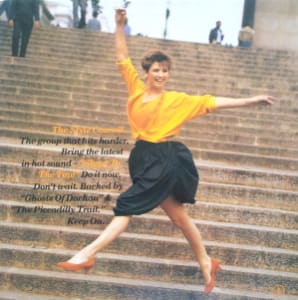
Style Council
Shout to the Top
Included on
Shout to the Top
Genre:
Sophisti-Pop
🇬🇧
Listen to
Shout to the Top
T La Rock and Jazzy Jay
It's Yours
Included on
It's Yours
Genre:
Rap, New School
🇺🇸
Listen to
It's Yours
Talk Talk
It's My Life
Included on
It's My Life
Genre:
Synth Pop, Art Pop
🇬🇧
Listen to
It's My Life
Tall Dwarfs
Crush
Included on
Slugbuckethairybreathmonster
Genre:
Indie Rock, Garage Rock
🇳🇿
Listen to
Crush
Tears for Fears
Shout
Included on
Shout
Genre:
Synth Pop
🇬🇧
Listen to
Shout
Time Zone
World Destruction
Included on
World Destruction
Genre:
Electro, Rap
🇬🇧/🇺🇸
Listen to
World Destruction"[A] rap rant delivered . . . in an apocalyptic dance-floor style—dark, almost religiously heavy, but explosive."
—
Vince Aletti
//
High Fidelity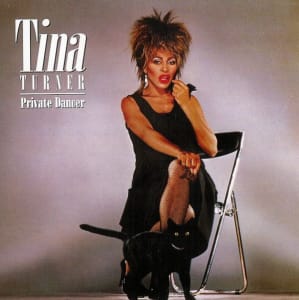
Tina Turner
What's Love Got to Do with It
Included on
Private Dancer
Genre:
Pop, Soul
🇺🇸
Listen to
What's Love Got to Do with It
Tippa Irie
All the Time the Lyric a Rhyme
Included on
It's Good To Have The Feeling You're The Best
Genre:
Reggae, Dancehall
🇯🇲
Listen to
All the Time the Lyric a Rhyme
Tones on Tail
Go! (Club Mix)
Included on
Lions / Go!
Genre:
Post-Punk
🇬🇧
Listen to
Go! (Club Mix)
Tony Allen with Afrobeat 2000
Road Close (Dance Dub)
Included on
N.E.P.A. (Never Expect Power Always)
Genre:
Afrobeat, Dub
🇳🇬
Listen to
Road Close (Dance Dub)"[A] perfect blend of the raw percussive instrumentation of afrobeat and retrofuturistic synth sounds, all wrapped up in spacey dub blanket."
—
Emma-Jean Thackray
//
DMY
Toshiki Kadomatsu
If You...
Included on
After 5 Clash
Genre:
City Pop, Boogie
🇯🇵
Listen to
If You...
Trouble
The Tempter
Included on
Trouble
Genre:
Metal, Doom Metal
🇺🇸
Listen to
The Tempter
Tulipa Negra
Corpo Limpo
Included on
Súmara Tempo
Genre:
Funaná
🇨🇻
Listen to
Corpo Limpo
U2
Bad
Included on
The Unforgettable Fire
Genre:
Rock, Pop
🇮🇪
Listen to
Bad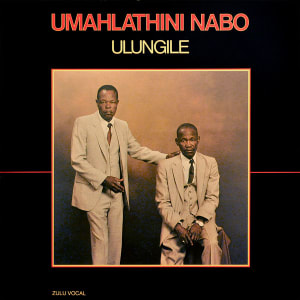
Umahlathini Nabo
Qhude Manikiniki
Included on
Ulungile
Genre:
Mbaqanga
🇿🇦
Listen to
Qhude Manikiniki
Voïvod
Voïvod
Included on
War and Pain
Genre:
Metal, Thrash Metal
🇨🇦
Listen to
Voïvod
Whodini
Five Minutes of Funk
Included on
Escape
Genre:
Rap, Electro
🇺🇸
Listen to
Five Minutes of Funk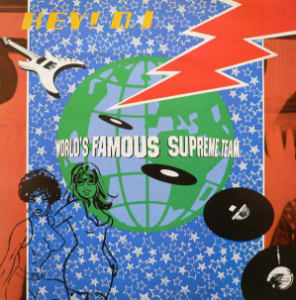
Worlds Famous Supreme Team
Hey DJ
Included on
Hey! DJ
Genre:
Rap, Boogie
🇺🇸
Listen to
Hey DJ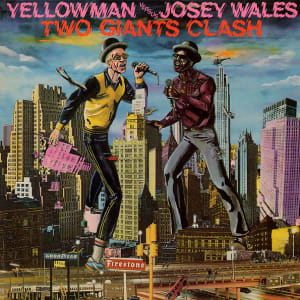
Yellowman
Strictly Bubbling
Included on
Two Giants Clash
Genre:
Reggae, Dancehall
🇯🇲
Listen to
Strictly Bubbling
Youssou N'Dour et Le Super Étoile de Dakar
Immigrés/Bitim Rew
Included on
Immigrés/Bitim Rew
Genre:
Mbalax
🇸🇳
Listen to
Immigrés/Bitim Rew"[O]ne of the most fully realized manifestos of modern mbalax . . . it transforms a seemingly chaotic rhythmic structure into a perfectly controlled machine."
—
Francesco Inglima (translated)
//
Onda Rock